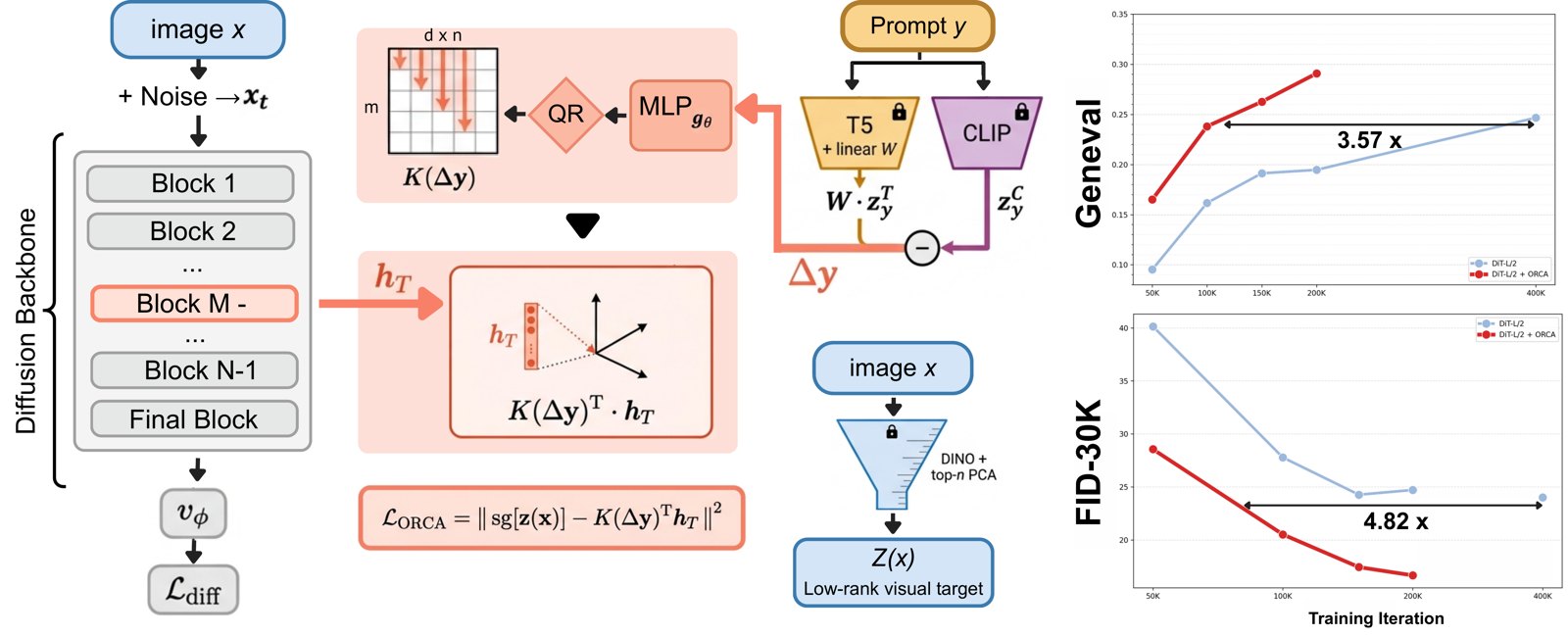
 ORCA: Hunting Compositional Failures in Text-to-Image Diffusion
Hey, I'm Arshia!
I am Arshia Hemmat, a PhD student at the University of Cambridge and the Wellcome Sanger Institute, supervised by Dr. Lotfollahi, Prof. Bertie Göttgens and Prof. Muzlifah Haniffa. Before this I read for an MSc at Oxford, in the Torr Vision Group under Prof. Philip Torr and at OATML under Prof. Yarin Gal, with an earlier stretch at CAMP, TU Munich, under Prof. Nassir Navab.
At the Sanger I aim the same question at biology, where ground truth costs a week of lab time and nobody can spot a wrong answer by looking at it. The work runs lab in the loop: the model proposes, the bench checks, and the model’s certainty is what decides which experiments are worth the week.
I once built a benchmark that humans solve instantly and frontier models mostly fail. I think about that more than is healthy.
click me
featured-research
ORCA: Hunting Compositional Failures in Text-to-Image Diffusion
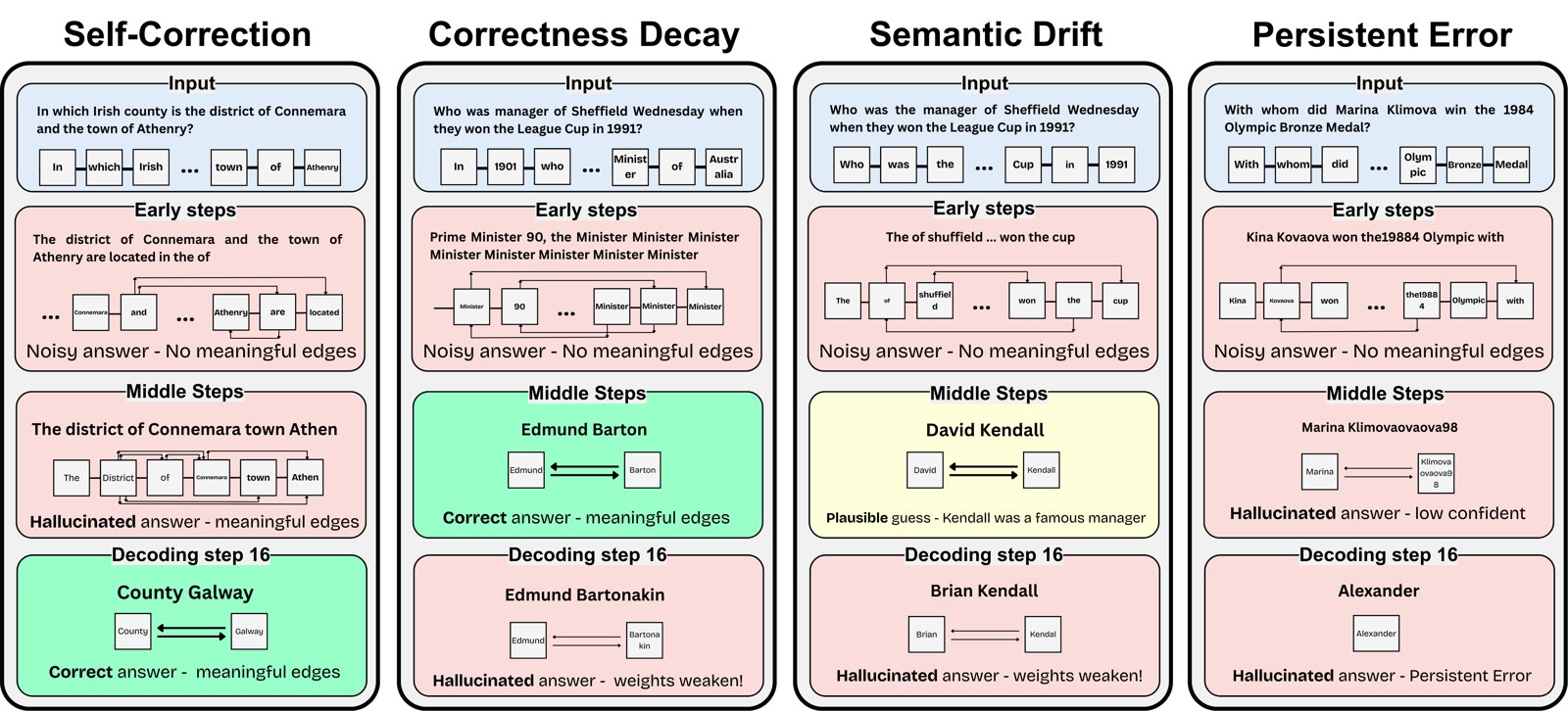 TDGNet: Hallucination Detection in Diffusion Language Models via Temporal Dynamic Graphs
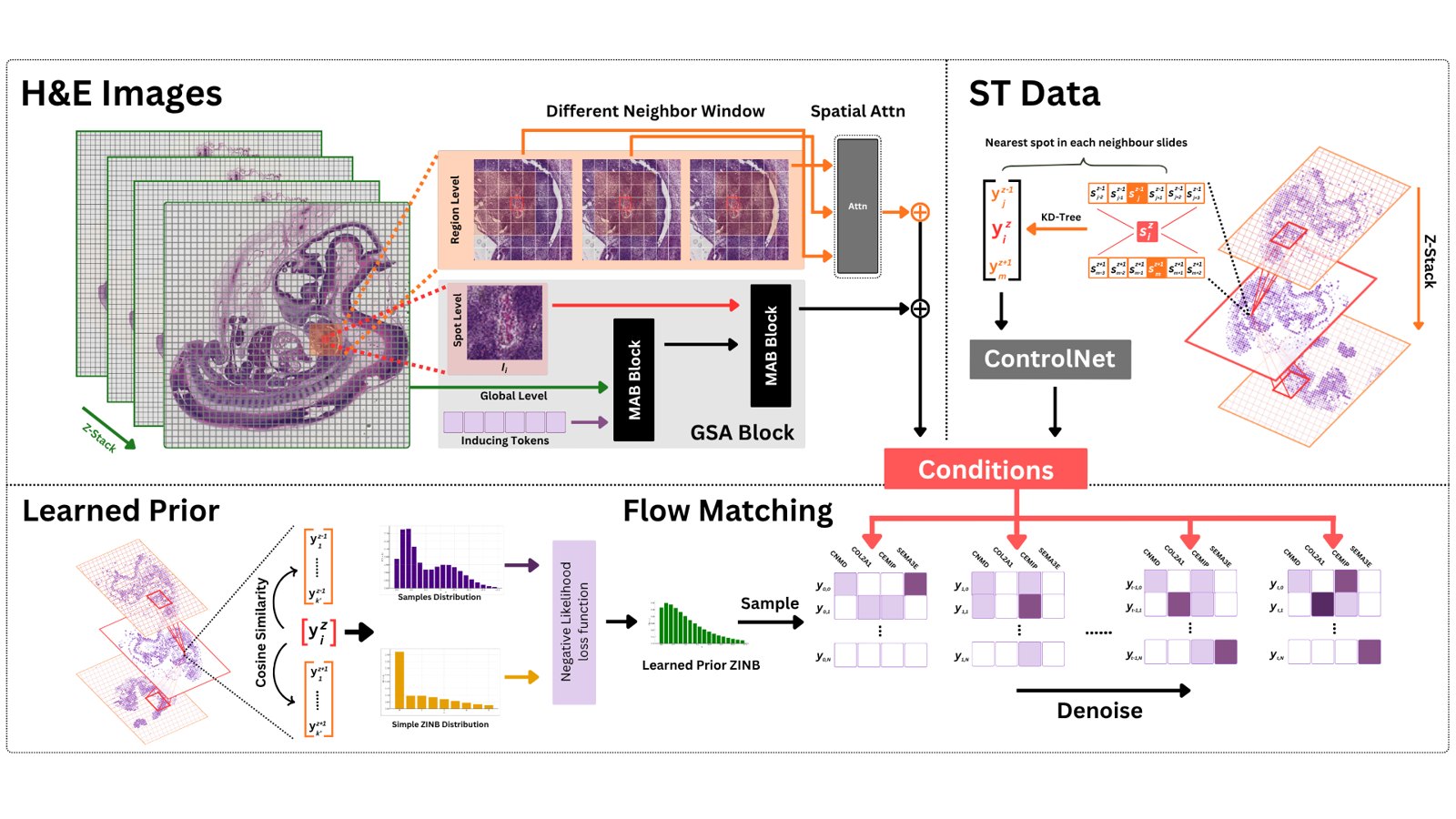 3D-Guided Scalable Flow Matching for Generating Volumetric Tissue Spatial Transcriptomics from Serial Histology
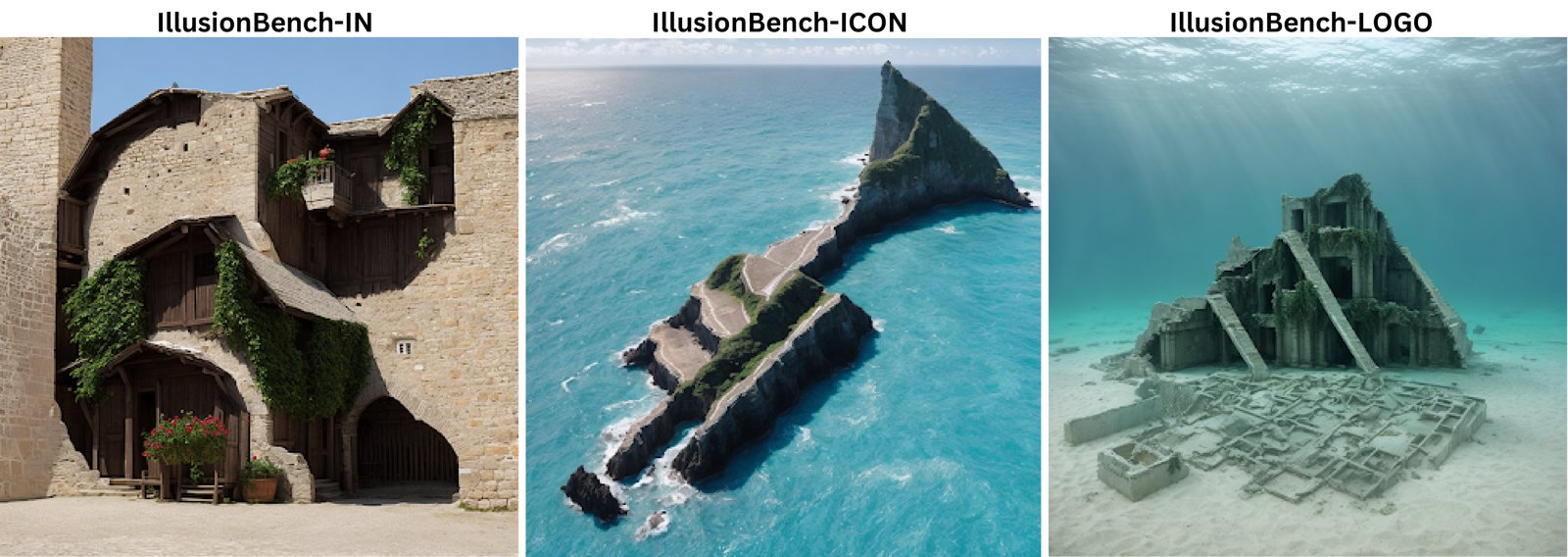 Hidden in Plain Sight: Evaluating Abstract Shape Recognition in Vision-Language Models
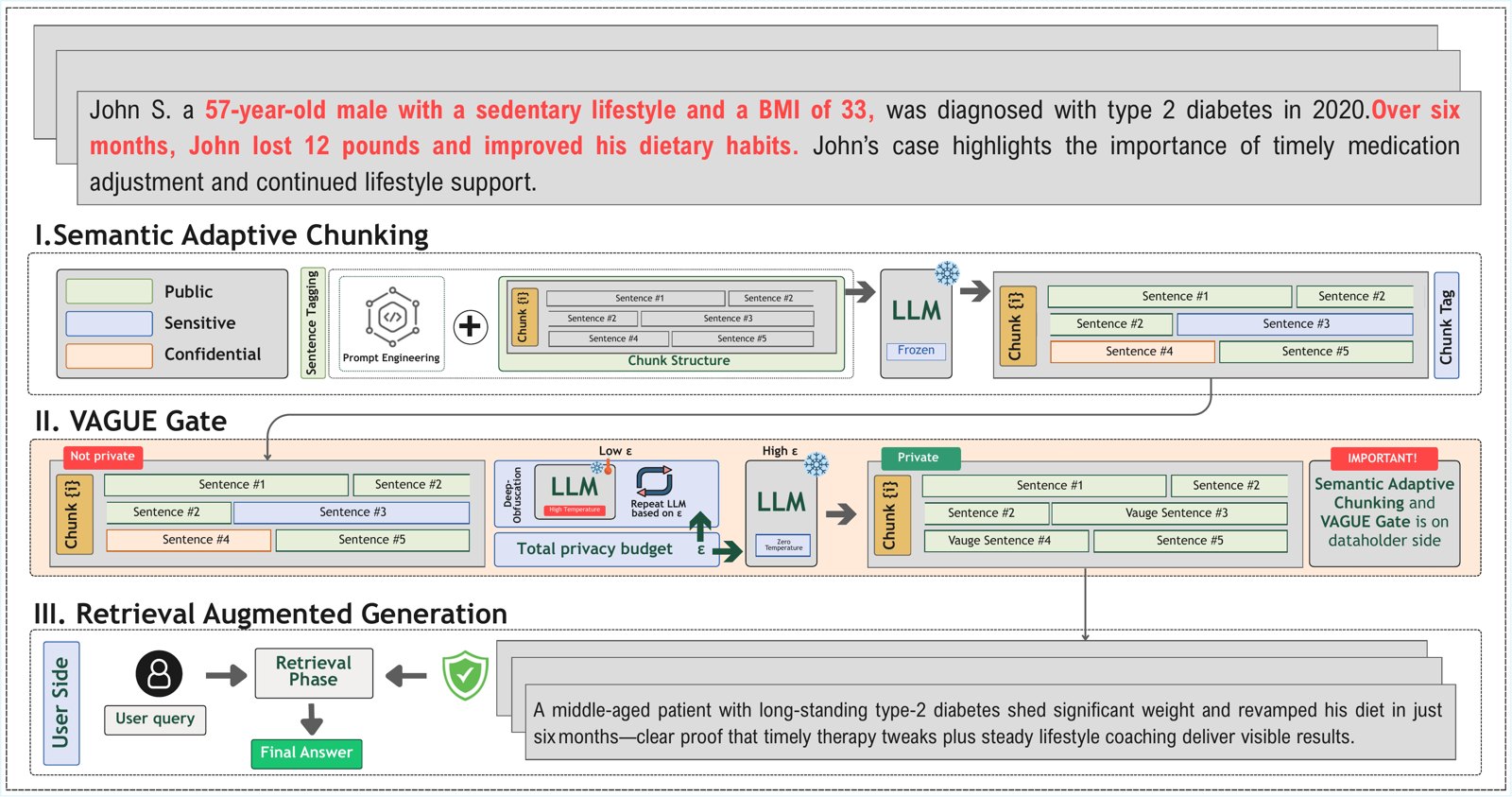 VAGUE-Gate: A Plug-and-Play Local-Privacy Shield for Retrieval-Augmented Generation
/LLM × REFrontiers in Computer Science
Research Directions for Using LLMs in Software Requirement Engineering: A Systematic Review
news
2026
Oct 23
Gave a talk and won the People’s Choice Poster Award at Genomics at Scale 2026 for HoloTea.
Oct 11
Recognised as a Top Reviewer for NeurIPS 2026.
Sep 25
TDGNet: Hallucination Detection in Diffusion Language Models via Temporal Dynamic Graphs was selected for an oral at EMNLP 2026.
Sep 24
ORCA: Hunting Compositional Failures in Text-to-Image Diffusion was accepted at NeurIPS 2026, main track.
Sep 1
Started my PhD at the University of Cambridge and the Wellcome Sanger Institute, in the Lotfollahi lab, funded by the BBSRC DTP.
Jun 15
HoloTea was accepted at MLCB 2026 for an oral presentation.
2025
Nov 18
HoloTea is on arXiv: 3D-guided flow matching that generates volumetric spatial transcriptomics from serial histology.
Nov 10
VAGUE-Gate was accepted to the IJCNLP-AACL 2025 main track.
Oct 20
PersianCLEVR was accepted as a spotlight at the NeurIPS 2025 workshop on vision-language models for real-world data, and ScenePhys at the workshop on Evaluation of World Models.
Aug 25
Joined the Wellcome Sanger Institute as a visiting researcher in computational single-cell genomics.
Mar 15
Our systematic review of language models in requirement engineering was published in Frontiers in Computer Science.
2024
Sep 26
IllusionBench was accepted to the NeurIPS 2024 datasets and benchmarks track.